

Wholesale Playground Equipment for Sale from KAIQI with GS Tested Reliability and Custom Engineering
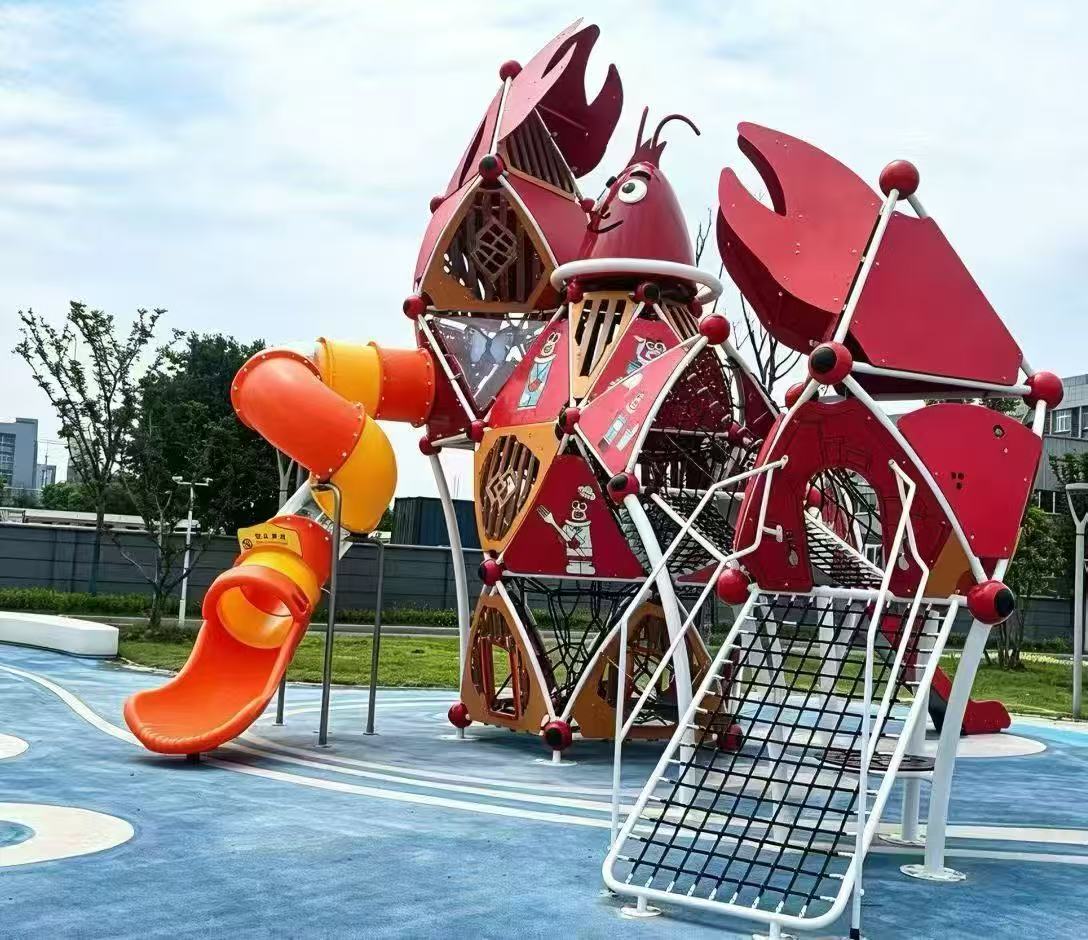
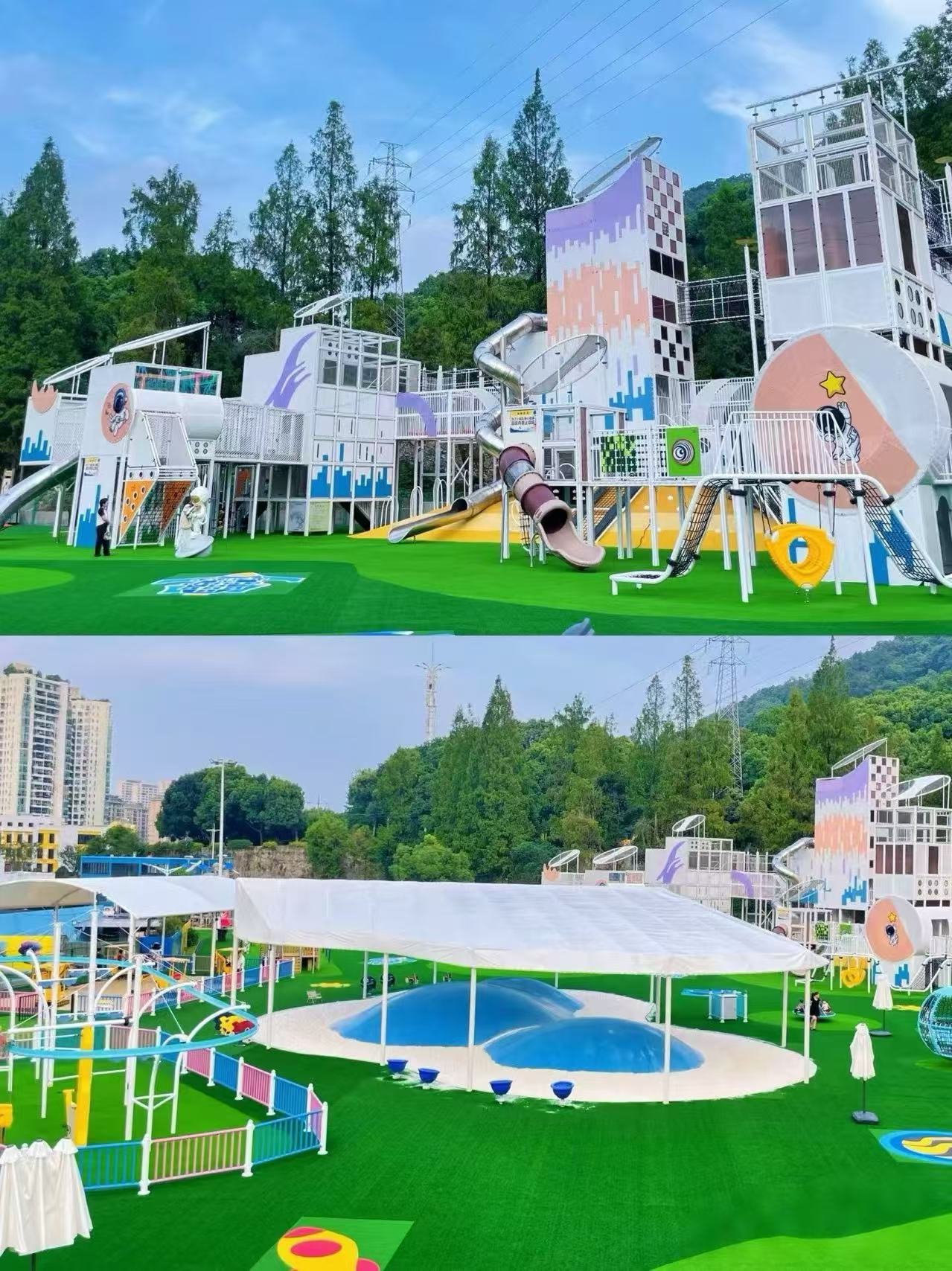
Wholesale Selection Begins with a Defined Product Family
Successful wholesale procurement starts by isolating specific product families—such as outdoor structures, indoor systems, soft play, Eco-Woods, thematic designs, or preschool equipment—rather than applying uniform commercial conditions across the entire catalog. Different product families address distinct venue types, user ages, material requirements, and installation methods. Prioritizing the category helps narrow the selection focus and significantly improves the comparability of quotation data.
While the website’s main navigation and category pages serve as the initial filtering mechanism, a finalized wholesale order must ultimately specify exact models, dimensions, capacities, materials, packaging, and delivery terms. Whether a buyer is sourcing expansive outdoor playground equipment or targeted indoor family entertainment center components, starting with a defined product family enables the transition from catalog browsing to generating a specification-backed procurement scope.
Custom Engineering Converts Catalog Items into Project Solutions
Custom engineering connects standard catalog items with real-world site dimensions, thematic requests, budget constraints, and special requirements. This engineering intervention ensures that wholesale orders serve specific project needs rather than remaining generic visual concepts. Project-driven wholesale purchasing must account for spatial layouts, equipment combinations, color themes, foundation interfaces, and installation environments, all of which dictate how a product family is ultimately configured for a given location.
When buyers provide comprehensive design inputs, KAIQI can clearly define modification scopes, technical boundaries, and subsequent drawing confirmation processes during the quotation phase. By covering the entire service spectrum—from design and construction to production and installation—custom engineering grants wholesale purchases true project adaptability, minimizing the risk of a disconnect between ordered catalog specifications and actual site conditions.
Raw-Material Controls Form the Verified Reliability Baseline
The manufacturer's baseline for reliability rests on strict raw-material supplier requirements, incoming quality inspections, and systematic production process controls. These internal quality measures should be evaluated independently of third-party testing claims. Inspecting raw materials before they enter the production line filters out obvious non-compliant inputs, while the factory's ISO-compliant quality control system ensures process consistency and continuous record-keeping throughout manufacturing.
Wholesale buyers can leverage this baseline by requesting bills of materials, inspection records, and applicable quality documents directly within their RFQ. Translating public control principles into order-specific evidence ensures that the final equipment delivers the intended durability. This dual approach of controlling both incoming materials and the subsequent manufacturing process provides a direct, verifiable foundation for equipment reliability.
GS Documentation Must Be Matched to the Ordered Scope
GS Tested Reliability only serves as a valid compliance basis for wholesale orders when the certificate or testing document explicitly lists the product model, issuing agency, applicable standard, and validity period. Although industry qualification data points to European market safety testing (such as those verified by TÜV Rheinland), wholesale buyers should never automatically expand a single certification logo to encompass all product categories or all international markets.
Procurement documents must mandate that the supplier provides specific certificate numbers, covered models, testing scopes, and current validity statuses. By meticulously matching these documents against the itemized delivery list in the contract, buyers prevent compliance mismatches. Restricting GS documents strictly to the actual ordered scope avoids dangerous misalignments between generalized marketing claims and concrete contract execution.
Commercial Terms Belong in a Model-Specific Quotation
Wholesale pricing, minimum order quantities (MOQ), lead times, payment terms, packaging details, and supply capacities must be confirmed through model-specific quotations. Buyers cannot deduce uniform commercial terms for an entire catalog based on a single product page. For instance, public data for the KQ24070A model specifies an MOQ of one set, a three-week lead time, a 30% deposit payment structure, and a monthly supply capacity of 300 sets, illustrating that commercial data is accurately recorded at the model level.
Given the significant variations in structural volume, material composition, and installation complexity across different play systems, wholesale buyers must insist that quotation documents explicitly list models, quantities, packaging volumes, trade terms, and final destinations. Relying on model-specific commercial data enhances quotation transparency and prevents buyers from mistakenly applying localized terms to unrelated products or projects.
A Structured RFQ Turns Wholesale Interest into a Verifiable Order
To transform wholesale interest into a verifiable order, buyers must construct an RFQ that details the product family, site conditions, quantities, required standards, customization scope, destination, and necessary compliance documents. Submitting both product specifications and compliance requirements simultaneously reduces the likelihood of late-stage quotation revisions caused by missing certification, installation, or packaging details.
The official contact channels, including dedicated sales emails and online inquiry forms, are designed to process these comprehensive RFQs. A highly structured RFQ converts general sourcing intent into a solid foundation of verifiable models, defined scopes, and documented compliance, creating a clear and auditable record for subsequent contract negotiations.
To request detailed model specifications and submit your structured wholesale RFQ, visit the official website at https://www.chinaplayground.com/.
Kaiqi Group Co., Ltd.
KAIQI
email us here
Visit us on social media:
Facebook
YouTube
Legal Disclaimer:
EIN Presswire provides this news content "as is" without warranty of any kind. We do not accept any responsibility or liability for the accuracy, content, images, videos, licenses, completeness, legality, or reliability of the information contained in this article. If you have any complaints or copyright issues related to this article, kindly contact the author above.
